


ASANA VS. WRIKE
Move from manual updates to real-time insights
Move from manual updates to real-time insightsAsana’s universal dashboards and reporting tools track projects and performance across every team. Wrike can slow teams down, but Asana keeps your organization aligned, informed, and moving forward at scale.
Asana’s universal dashboards and reporting tools track projects and performance across every team. Wrike can slow teams down, but Asana keeps your organization aligned, informed, and moving forward at scale.

![[Compare - Monday] Hero](https://assets.asana.biz/transform/e2c8d0ab-d011-42c3-ae49-73a3f261c188/Wrike-Hero?io=transform:fill,width:2560&format=webp)
Asana is trusted by 170,000+ teams*, from startups to Fortune 100 companies





![[Logo] Goodrx - AI](https://assets.asana.biz/m/464cae48ddeaf94a/original/WEB-AI26-buyer-goodrx-logo.svg)
![[Logo] Clear Channel Outdoor](https://assets.asana.biz/transform/9120e59d-a371-4090-96b7-7c05b4a46876/WEB-AI26-builder-clear-channel-outdoor?io=transform:fill,width:2560&format=webp)


FEATURES
AI built for teams
Asana AI Teammates are AI agents powered by the Work Graph, so they understand your team's goals, projects, and dependencies from day one—and every AI action is visible and auditable. Learn more.
Intuitive organization-wide reporting
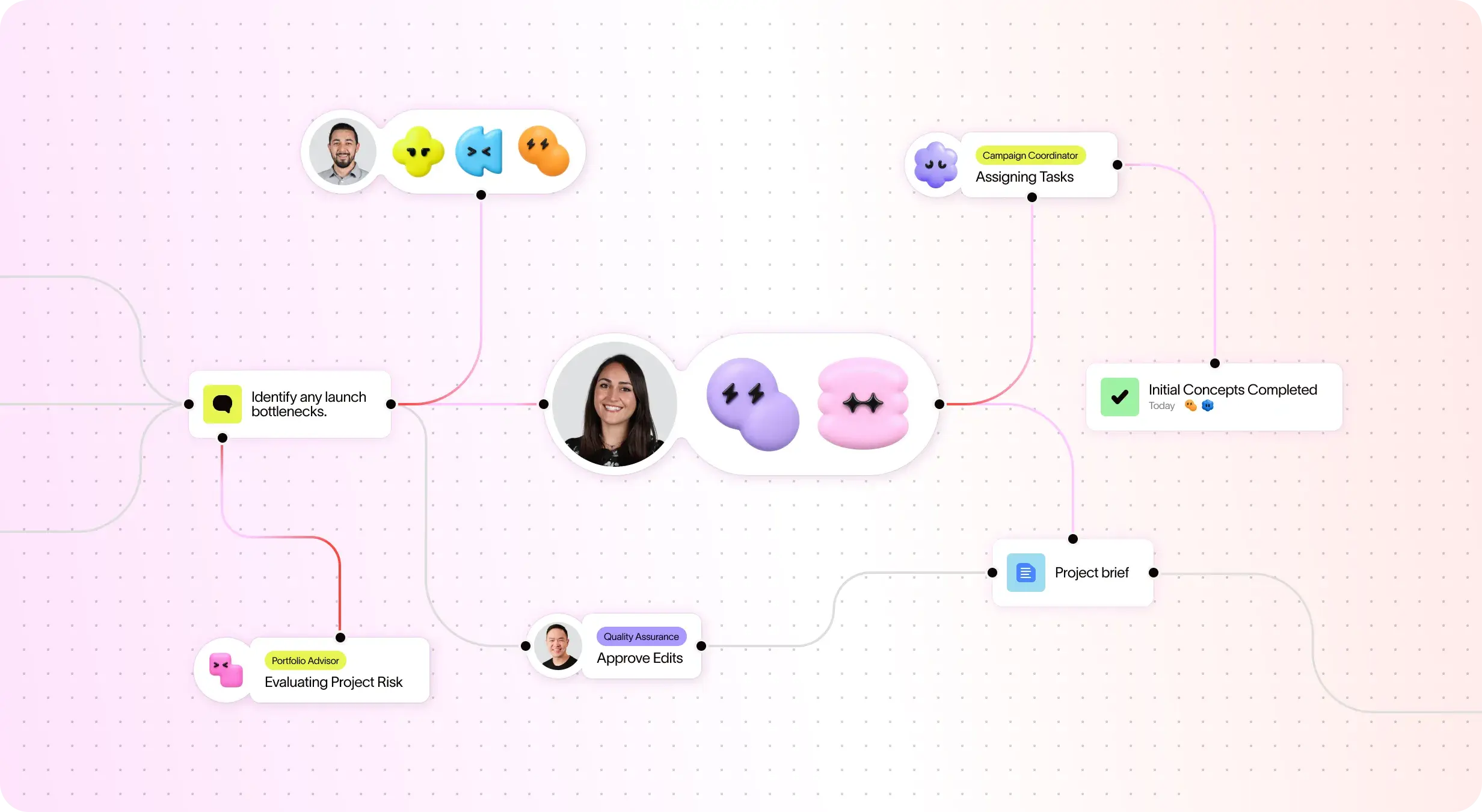
Asana delivers real-time reporting that scales with your business. Teams can track goals, portfolios, and performance metrics across thousands of projects and tasks, with dashboards and insights that connect strategy to execution. Learn more
Project and workflow customization
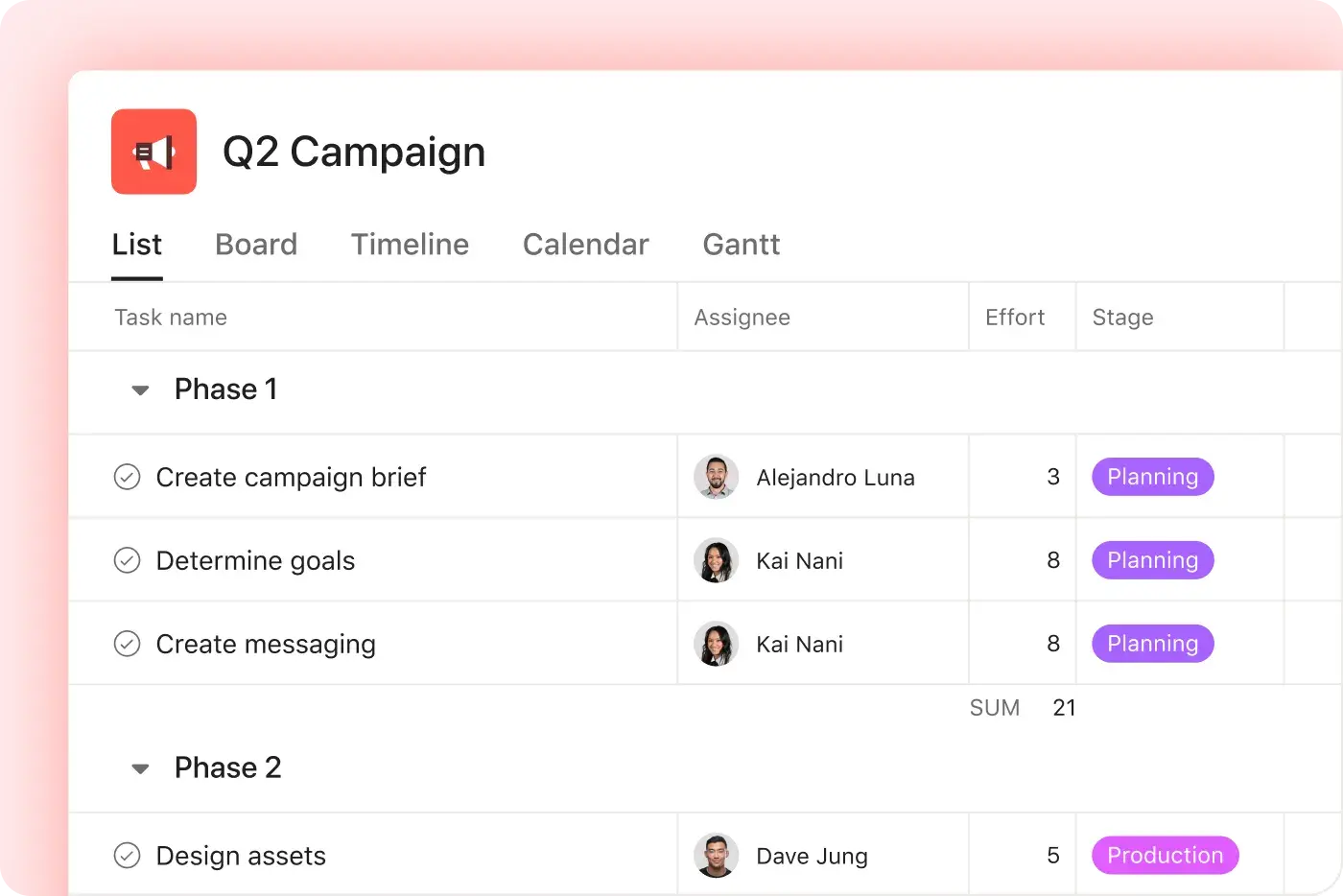
Asana provides structured, easy-to-use customization with custom fields, multiple project views, and templates, enabling teams to adapt quickly and manage workflows efficiently without added complexity. Learn more
Structured onboarding and guidance for fast adoption
Asana combines an intuitive interface with comprehensive onboarding, in-app guidance, templates, checklists, and Asana Academy training, enabling teams to scale from task tracking to enterprise portfolio management within a single platform. Learn more
400+ integrations for connected work
Asana offers 400+ integrations with popular tools like Slack, Microsoft Teams, Google Drive, and Salesforce, enabling teams to connect workflows across projects and departments and scale collaboration efficiently. Learn more
Centralized updates across work
Asana connects communication and project updates in one place. Comments, file sharing, and a centralized inbox helps keep everyone in the loop–and with the ability for a task to live in multiple projects, updates flow across teams automatically. Learn more
Why our customers prefer Asana


"I have used many project management tools, including Monday.com, Trello, ClickUp, and Wrike. Asana has the most intuitive interface, advanced integrations, smart features, and intuitive UI."
- Jessica M., President
“Compared to other solutions that I've used before, I really like that you have enormous flexibility as far as how you prefer organizing your projects. Unlike Trello, Asana allows for one task to be part of multiple projects eliminating the need to create duplicate tasks. This is why I switched to Asana in a nutshell. Also, the tool's priced quite reasonably, unlike Wrike for example.”
- Mike S., Customer Success Manager
“Asana is a task management / project management tool that is collaborative, organized, and consistently evolving. … They also offer ‘celebrations’ for completing tasks, and it makes me happy to see a unicorn fly across my screen when I check something off of my to-do list.”
- Verified User
“Asana is an amazing task management tool that covers all bases needed to track and monitor orders through our production team. … I feel comfortable taking a day off, finally after six months, knowing my team can be in-the-know for every project and able to monitor orders while I am out. … Asana has changed the way I work and function in the day to day.”
- Jazmin B., Business Coordinator
Asana powers teams with flexible, scalable workflows
Explore how Asana helps teams of all sizes customize projects, connect tools, and report on progress—all in one place.


![[Compare - Monday] Feature tab (Reporting and analytics)](https://assets.asana.biz/transform/8aa41d60-779d-45ab-b1a1-c3405c6b42e3/compare-monday-fy26-features-reporting?io=transform:fill,width:2560&format=webp)
![[Compare - Monday] Feature tab (Customization and personalization)](https://assets.asana.biz/transform/9320191e-4027-40b5-afaf-ce7577cafad0/compare-monday-fy26-features-customization?io=transform:fill,width:2560&format=webp)



AI your whole team can actually use
Asana AI Teammates understand your goals, projects, and dependencies from day one—Wrike’s AI focuses on drafting content, failing to align tasks with top-down company objectives.
Asana AI Teammates build shared memory that compounds across your whole team—Wrike lacks a persistent AI persona that evolves with your team’s unique processes over time.
Every AI action is visible in your activity log, just like a human teammate—Wrike’s automated changes are often buried in system logs, lacking the transparency of a distinct AI teammate.
What experts say about Asana
Asana is rated as a top work management platform by industry analysts and enterprise organizations.


A Leader in the Collaborative Work Management three years in a row

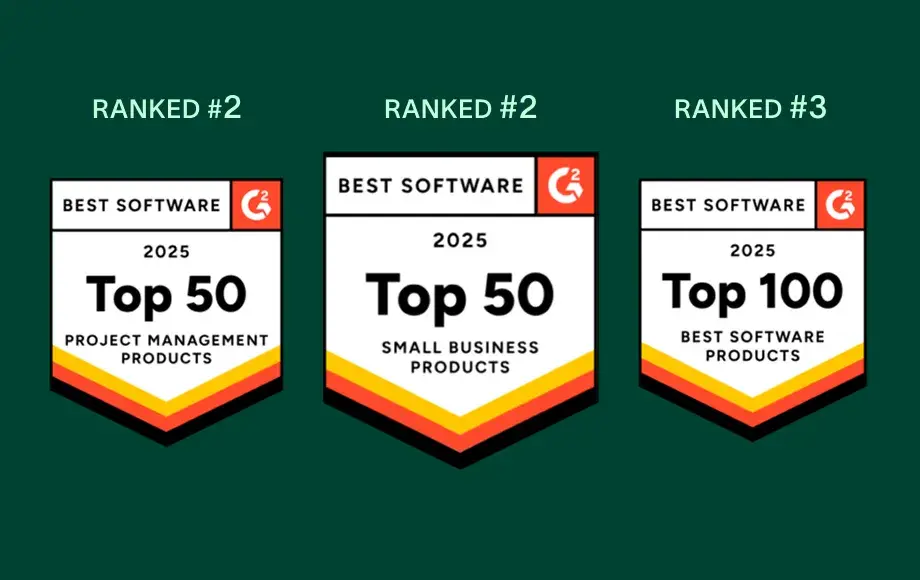
A leader in Work Management and OKR Software with more than 12,000 user reviews


Company Size
Enterprise
Industry
Technology
Scaling is about empowering our individuals to use Asana without project managers as the gatekeepers. We like to keep things very flexible, with enough guidelines so people can create their own projects.
Marc Seitz
Senior Security Program Manager, Threat and Vulnerability Management



FAQs
Migrating your projects to Asana is straightforward, with dedicated onboarding resources and step-by-step guides to walk teams through the process. For larger teams or complex projects, Asana also provides professional services and guided support to reduce the risk of data loss and ensure a smooth transition.
Wrike migrations often require more manual setup and technical knowledge, which can slow adoption for teams with many projects. Asana’s structured onboarding, built-in guidance, and additional professional services make it easier to move work into a single platform, enabling teams to begin managing projects and tracking tasks quickly without disrupting ongoing workflows.
Asana provides a comprehensive suite of onboarding resources to help teams learn the platform quickly, including Asana Academy. Teams can access self-paced courses, live webinars, and in-app onboarding checklists to reduce the learning curve and make project management accessible, even for larger teams or those with limited IT support. These resources support efficient adoption and help teams master key features at their own pace.
Wrike has a less intuitive interface, which can slow adoption and make it harder for teams to get started. Asana’s structured learning tools and step-by-step guidance make it easier for teams to understand workflows, standardize practices, and begin managing projects effectively from day one.
Asana protects your organization’s data with enterprise-grade security controls and maintains a robust set of compliance certifications suitable for regulated industries. Teams can access detailed security and compliance documentation to understand how Asana meets requirements for data privacy, auditability, and regulatory standards, helping ensure a secure and compliant transition when migrating from Wrike to Asana.
Wrike offers security features, but Asana’s transparent documentation and compliance framework make it easier for organizations to verify regulatory adherence, manage sensitive data, and maintain secure workflows across teams, especially during onboarding and migration.
You can keep your existing workflows when moving to Asana, thanks to native integration with over 400 tools and robust support resources. Asana also provides integration guides and workflow templates to help you connect your current project management software and processes without major disruption.
Wrike supports integrations but often requires additional configuration or add-ons to fully connect tools and workflows, which can make it harder to maintain established processes. Asana’s flexible platform and native integrations allow teams to transition smoothly while preserving how they already work and improving overall efficiency.
The only platform that can support your company at any scale
*Accurate as of December 2025